
Why RBI Locker Rules Are Driving Customers to Private Vault Services
- Shahbaz Naqvi
- Jul 21, 2025
- 3 min read
Around ₹1,200 crore worth of valuables are secured in India’s private locker market, which continues to grow at an estimated 18 percent each year. There is a growing sense among many Indians that bank locker facilities no longer offer the reassurance they once did. In recent years, the Reserve Bank of India (RBI) has introduced tighter regulations intended to standardise safety, enhance transparency, and clarify liability. These well-meaning changes have had unintended consequences, pushing an increasing number of customers towards safe deposit vault in India that feel more personalised and accessible.

A Shift in the Bank-Customer Relationship
Since August 2021, revised RBI guidelines have redefined the relationship between banks and locker users. Banks now often require a fixed deposit equivalent to three years’ locker rent at the time of allotment. Rather than serving as custodians, banks are now viewed strictly as lessors. They must enter into stamped agreements with customers, maintain digital records of locker activity, and record inventory of contents in the presence of customers and witnesses.
The guidelines also prohibit unsafe items such as cash, weapons, illegal substances or hazardous materials from being stored in lockers. These rules undoubtedly enhance safety, but they also introduce more bureaucracy and stricter oversight. Customers now find themselves dealing with elaborate paperwork and compliance demands simply to keep essential belongings. This has fueled the shift to private safe deposit vault.
Fixed Deposits Linked to Locker Allotment
Rather than charging a simple fee, many banks now insist on a fixed deposit at the time of locker allotment, often covering three years’ rent. While banks justify this as a measure to ensure timely rent payment and to cover break-open charges, it ties up customer capital. Imagine locking away ₹50,000 in a fixed deposit just to access your own locker; such requirements have left many pressing pause and considering alternatives.
Enhanced Security Requirements With Added Complexity
RBI rules also specify that banks must install security protocols in locker rooms. These include sealed key registers, CCTV monitoring, daily physical checks of vaults and master locks, plus labelled locker keys. These measures, while improving security, impose cost and complexity. Customers often face delays as staff follow compliance routines. A promised retrieval at 10 am might slip to 11 or even midday because paperwork was incomplete or CCTV records need manual review.
Liability and Inventory Rules
Under RBI’s new liability guidance, banks are responsible for losses due to fire, theft, burglary or fraud by employees but only up to 100 times the annual rent. On the flip side, they are not liable for losses caused by natural calamities, civil unrest or user negligence. Additional procedures now include detailed inventory recording when lockers are opened, which must be acknowledged by both customer and bank. This helps prevent disputes but adds time and effort for the customer.
Growing Frustration with Waitlists and Restricted Access
RBI regulations require banks to maintain transparent waitlists and acknowledge applications promptly. That is a positive move, but many lockers in urban and suburban branches are still over-subscribed, creating long delays before customers can access a facility. Once allotted, access hours remain limited to banking hours, typically six hours each weekday, with no weekend access. As people lead busier lives, this rigidity simply does not work.
Private Vault Services Offer a More Human-Centred Experience
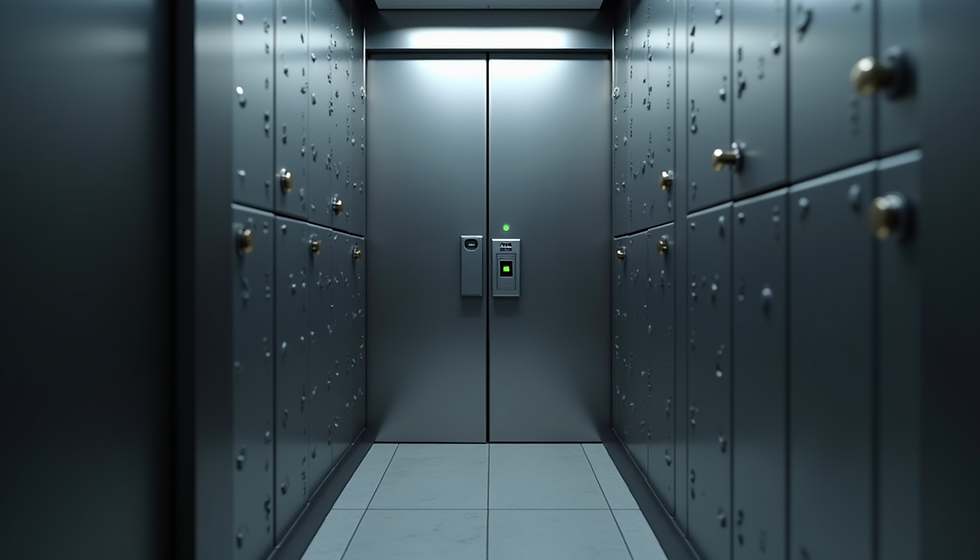
Private vaults address every major concern. They offer round-the-clock access, straightforward fee structures without deposit lock-ins, and advanced security such as biometric entry, CCTV and motion detectors. Many providers also allow flexible access packages tailored to individual needs. For example, a young professional may opt for casual weekly access, while a family needs regular evening or weekend reliability.
In a 2023 industry survey, 83 percent of customers said flexible access timings were their primary reason for choosing private vaults. Another 65 percent appreciated straightforward pricing without tying up funds in fixed deposits. These figures reflect a deep preference for simplicity and predictability.
Summary
The RBI’s updated locker rules aim to build trust through better security, clearer responsibilities and stronger oversight. Yet, the added red tape, deposit requirements, and limited access hours have left many customers feeling constrained rather than protected. Safe deposit box vault India is stepping into the gap. Providers like MySafe India deliver safety, transparency and accessibility that bank lockers struggle to offer under the new regime.


Comments